Validate the sample before you trust the result.
VDx Specimen Validity Testing detects substitution, dilution, and adulteration in urine drug screens. This is what that diagnostics power looks like as a platform — an explainable worklist, a live lab-ops dashboard, and subversion trends across sites. Built by Nona.
Interactive prototype with seeded data. Switch tabs, filter the worklist, and open a specimen for the full explanation.
From raw assay to defensible decision
The first version is explainable and rules-based — auditable from day one. Predictive AI comes later, once enough validated data is collected.
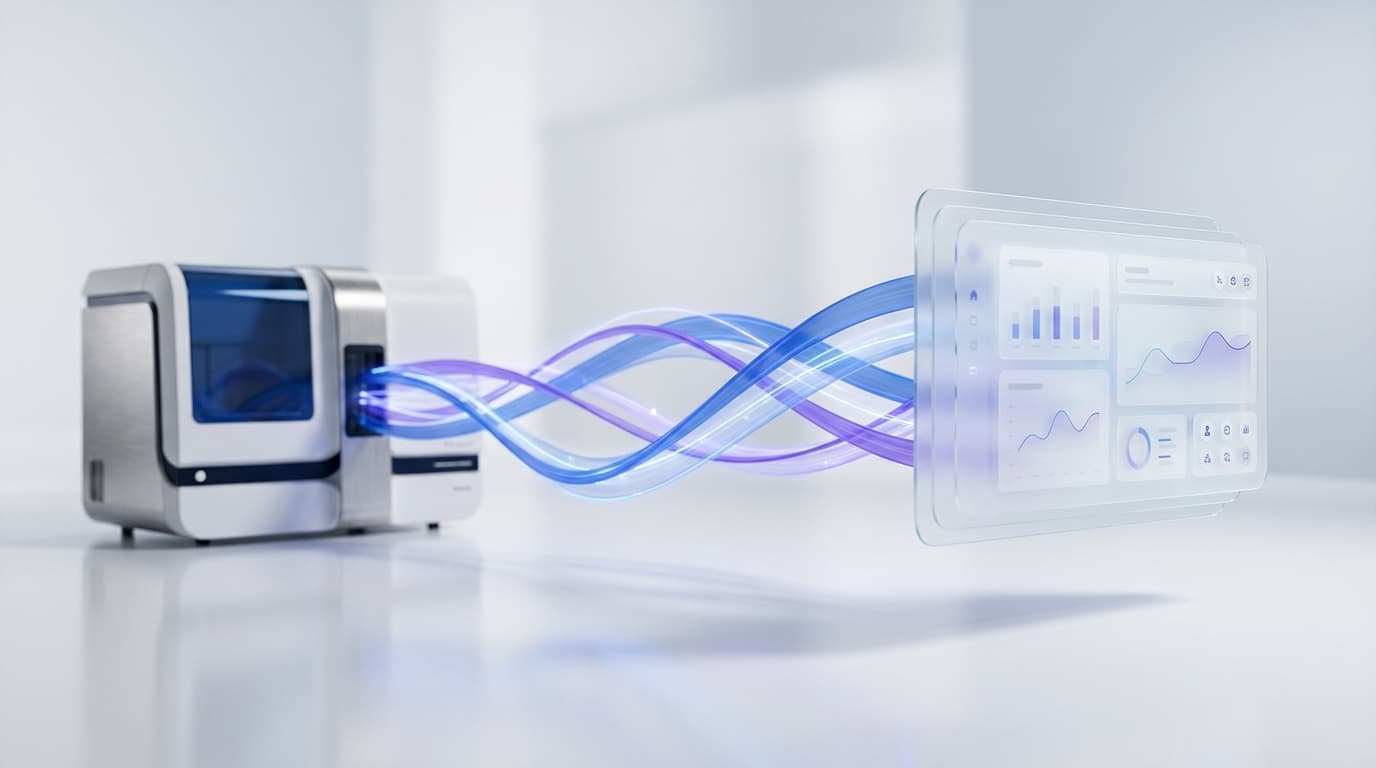
Ingest
Chemistry analyzers, LIS, and EHR feed results in — instrument export, HL7 v2 ORU, or FHIR.
Classify
A rules-based Specimen Validity Risk Engine scores each specimen against VDx assay thresholds and lab policy.
Explain
Every flag carries the markers behind it and a recommended next step — auditable, not a black box.
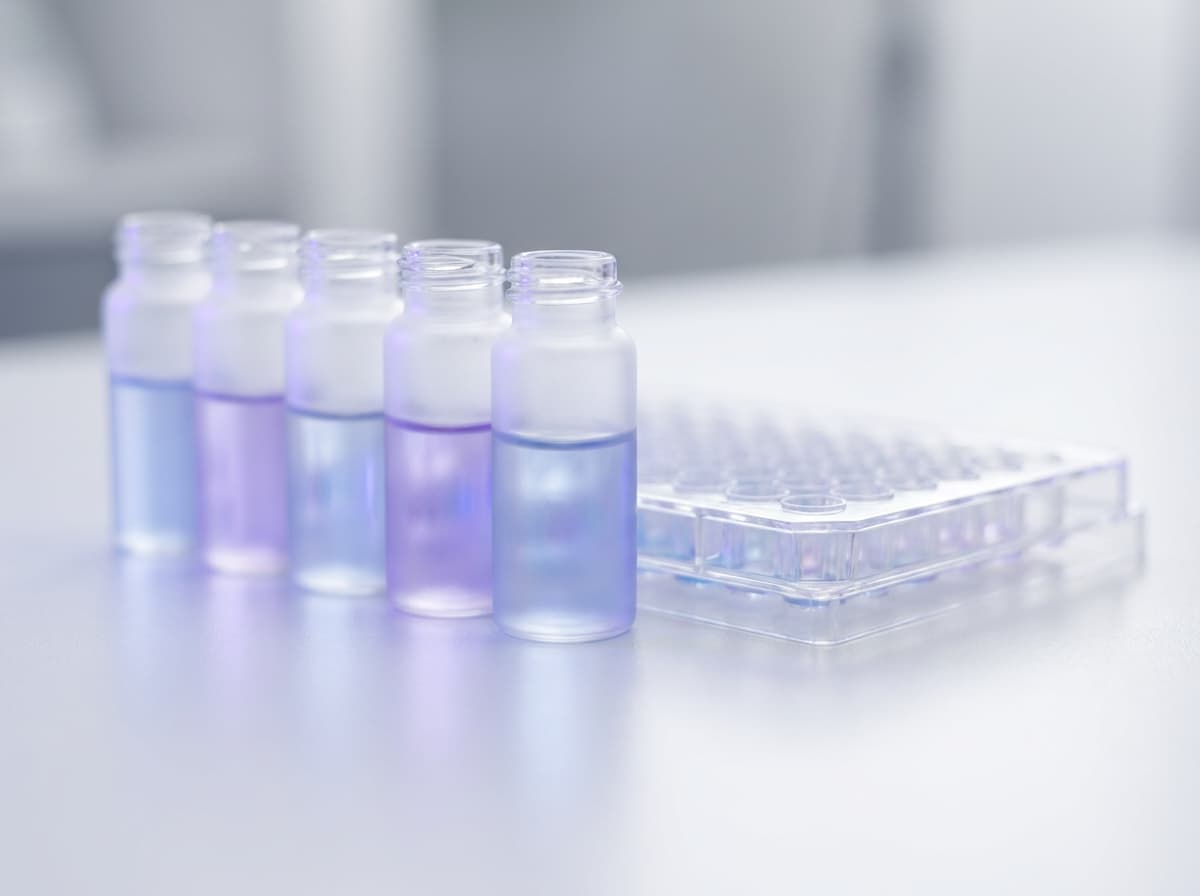
The Gen2-Validity™ 5-panel
Five test areas that together detect 18 classes of subversion — from counterfeit urine and oxidant adulterants to dilution, acid/alkali tampering, and catheter substitution.
Counterfeit / True Urine SD
Detects synthetic or non-urinary-origin samples.
Oxidant History
Detects oxidant adulteration — including historical markers up to 30 days.
Specific Gravity Index
Detects dilution, salts, and substitution patterns.
pH
Detects acid / alkali adulteration.
Creatinine
Detects simple dilution and in-vivo overhydration.
A staged roadmap
Decision support — not a diagnosis
This platform surfaces and explains specimen-validity risk; clinical interpretation stays with the provider per lab policy. It is designed around HIPAA-aligned safeguards — role-based access, audit logging, encryption, and minimum-necessary access — and any clinical-decision-support scope is evaluated against FDA CDS / SaMD guidance.